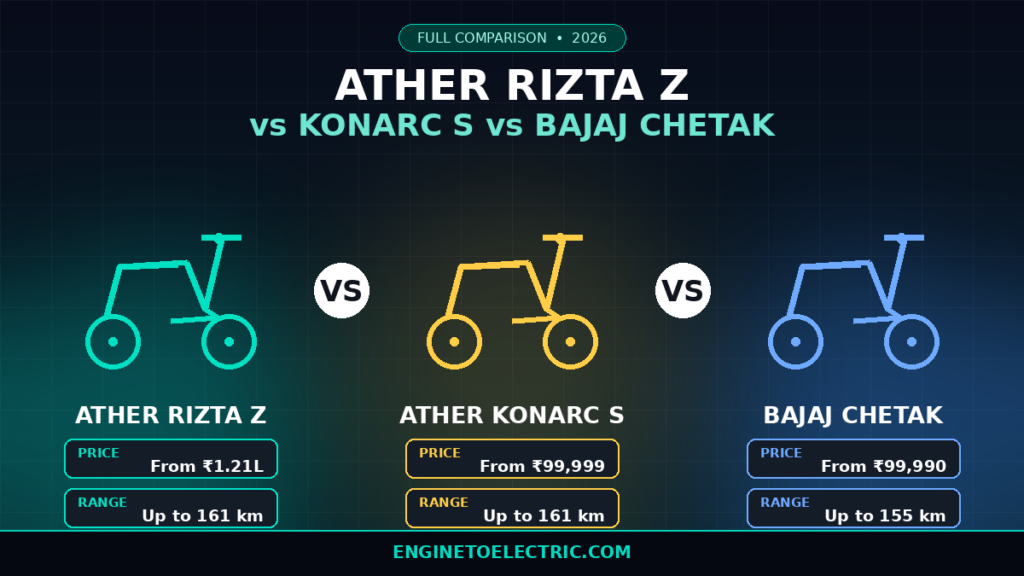
If you’re shopping for a practical, family-friendly electric scooter in India right now, chances are these three names keep showing up on every shortlist: the Ather Rizta Z, the newly launched Ather Konarc S, and the ever-reliable Bajaj Chetak. All three sit in a similar price zone, all three target the same buyer — someone replacing a petrol scooter with something cheaper to run — yet they take noticeably different approaches to get there.
In this comparison, we break down price, range, motor performance, features, and real-world running costs to help you decide which one actually fits your daily ride.
Quick Overview
| Ather Rizta Z | Ather Konarc S | Bajaj Chetak | |
|---|---|---|---|
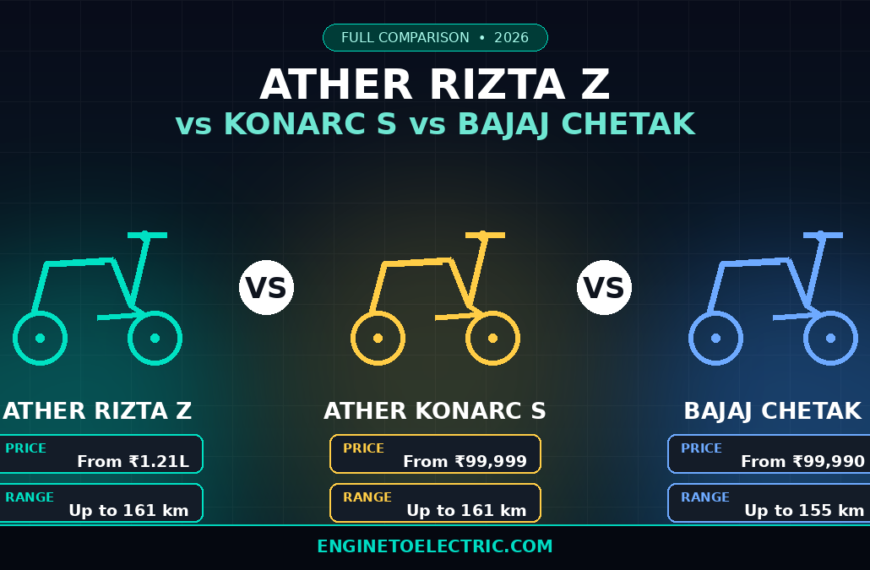
| Ex-showroom price | ₹1.21 lakh – ₹1.80 lakh | ₹99,999 – ₹1.44 lakh | ₹99,990 – ₹1.39 lakh |
| Battery | 2.7 kWh / 3.5 kWh LFP | 2.1 / 2.7 / 3.5 kWh Li-ion | 3.5 kWh |
| Claimed range (IDC) | 123 km / 161 km | 100–161 km (200 km on Z, later) | 127–155 km |
| Motor power | 4.3 kW, 22 Nm | 4.7 kW PMSM hub motor | 4 kW |
| Top speed | 80 km/h | 70 km/h | 70–80 km/h |
| Display | 7-inch TFT touchscreen | DeepView (non-touch) dashboard | 5-inch TFT touchscreen (higher trims) |
| ABS | No | No | No |
| Body | Plastic body panels | Metal body panels (rear section) | Metal body panels |
| Best for | Feature-rich family riding | Budget-conscious first-time EV buyers | Retro styling + service network |
Prices are ex-showroom Delhi and vary by city and variant. Always confirm current on-road pricing with your nearest dealer.
Price: Who Gives You More for Less?
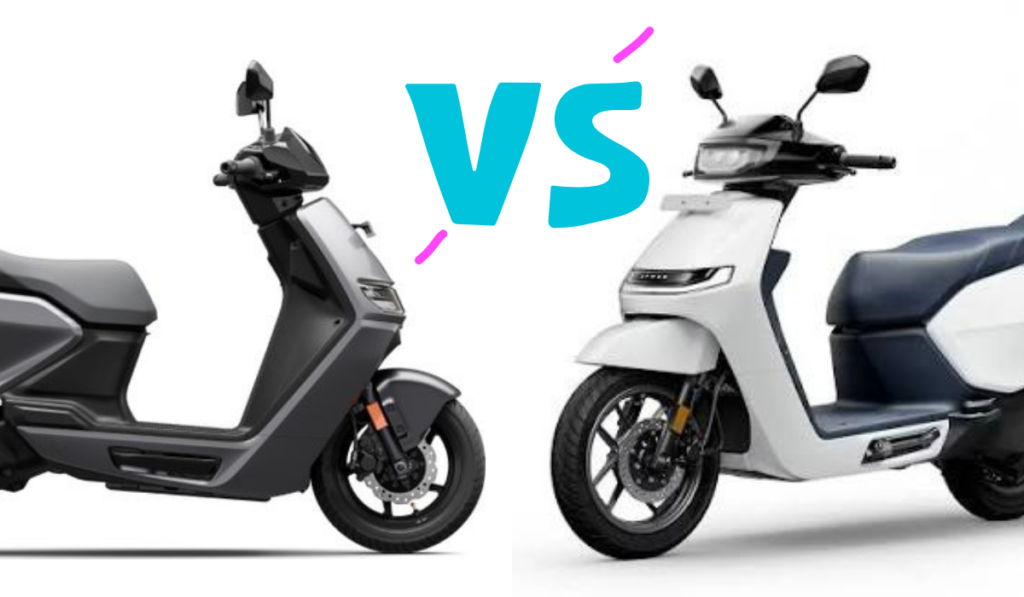
The Ather Konarc S is the real disruptor here. At ₹99,999 ex-showroom, it undercuts both the Rizta Z and the Chetak by a wide margin, making it Ather’s first genuine mass-market play aimed directly at petrol-scooter buyers rather than EV enthusiasts.
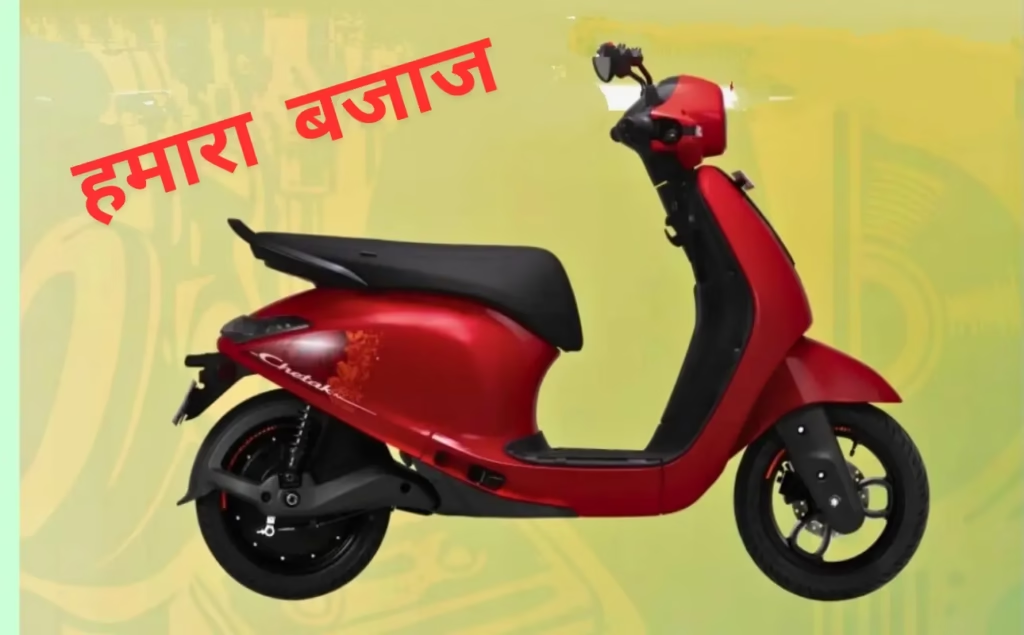
The Bajaj Chetak 3001, priced from ₹99,990, matches the Konarc almost rupee for rupee at entry level — but climbs closer to ₹1.39 lakh once you move up to the fully-loaded 3501 variant.
The Ather Rizta Z, meanwhile, starts higher at around ₹1.21 lakh, positioning it as the premium option of the three, backed by a longer feature list and a bigger battery on its top-end trim.
Verdict: If budget is the deciding factor, the Konarc S and Chetak’s base variants are neck and neck. The Rizta Z asks for a premium — but it also delivers more scooter for that money.
Range: Which One Goes the Farthest?
- Ather Rizta Z — 123 km on the 2.7 kWh pack, up to 161 km on the 3.5 kWh pack (IDC claimed).
- Ather Konarc S — starts at 100 km on the smallest 2.1 kWh pack, climbing to 161 km on the 3.5 kWh version. A 200 km variant is planned for the Z trim later.
- Bajaj Chetak — 127 km on the entry 3001, rising to 153–155 km on the 3502/3503/3501 trims.
On paper, the Rizta Z and top-spec Konarc S are evenly matched at 161 km, with the Chetak trailing slightly. In real-world Indian city riding — stop-start traffic, AC-heavy summers — expect all three to deliver roughly 70–75% of their claimed IDC range, which still comfortably covers a 30–40 km daily commute.
Motor & Performance
The Konarc S technically has the most powerful motor on paper at 4.7 kW, but it’s tuned for efficiency and a lower 70 km/h top speed rather than outright punch. The Rizta Z‘s 4.3 kW motor with Magic Twist regenerative braking feels the most refined to ride, especially in stop-start traffic. The Chetak‘s 4 kW motor is the quickest off the line among the three, claiming 0–40 km/h in about 3.2 seconds, and its heavier metal body gives it a planted, stable feel at speed.
None of the three currently offers ABS — only combined braking systems — so ride cautiously in the monsoon regardless of which one you pick.
Features & Tech
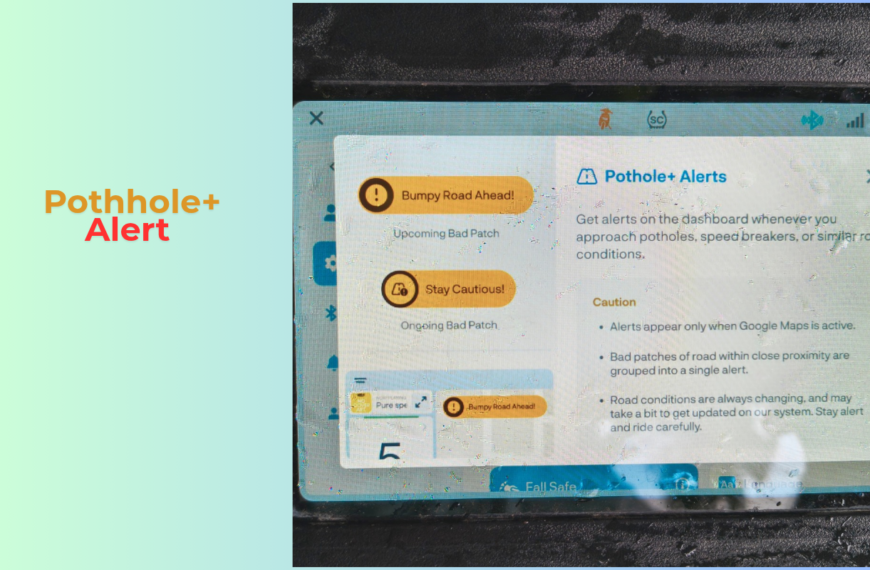
This is where the Rizta Z pulls ahead. It comes with a 7-inch TFT touchscreen, Google Maps navigation, SkidControl traction assist, Pothole+ Alerts, Auto Hold, reverse mode, and an Emergency Stop Signal — a genuinely comprehensive safety and convenience package for a family scooter.
The Konarc S keeps things simpler with Ather’s non-touch DeepView dashboard on the base trim (the touchscreen and MagicKey are reserved for the higher Z variant), but it does bring an IP67-rated build and a 450W onboard charger even at its entry price — solid value engineering for a sub-₹1-lakh scooter.
The Chetak leans into its retro-modern design and metal-body build quality rather than a long features list. Higher trims get a 5-inch TFT touchscreen and Eco/Sport/Reverse ride modes, but the overall tech package feels a notch behind both Ather models.
Running Costs & After-Sales
All three are cheap to run compared to a petrol scooter — expect a running cost between ₹0.15 and ₹0.25 per km against ₹4–5 per km for petrol equivalents like the Activa. Full home charging typically costs under ₹15 and takes 5–6 hours on the bigger battery packs.
Where Bajaj has a clear edge is after-sales reach: its dealer network spans 390+ exclusive Chetak stores and 4,000+ sales points across 800+ cities — a big reassurance if you live outside a metro. Ather’s network is smaller but growing quickly, especially in South and West India.
Which Should You Buy?
- Choose the Ather Rizta Z if you want the most feature-loaded, comfortable family scooter and don’t mind paying a premium for it.
- Choose the Ather Konarc S if you’re a first-time EV buyer who wants Ather’s build quality and range at the lowest possible entry price.
- Choose the Bajaj Chetak if retro styling, a metal body, and a wide service network across smaller cities matter more to you than the latest touchscreen tech.
FAQs
The Konarc S offers a more powerful motor and a lower starting price, while the Chetak counters with a metal body and a much larger dealer network. It depends on whether you prioritise tech and price, or build quality and service reach.
The Ather Rizta Z’s top variant claims 161 km versus the Chetak’s 153–155 km — a modest edge to the Rizta Z on paper.
No. As of 2026, none of the Ather Rizta Z, Ather Konarc S, or Bajaj Chetak offer ABS; they rely on combined braking systems instead.
The Ather Konarc S and Bajaj Chetak 3001 are both priced around ₹99,990–₹99,999 ex-showroom at entry level, making them the most affordable options.
Prices, range, and specifications are ex-showroom figures as reported at the time of writing (September 2026) and are subject to change. Check with your local Ather or Bajaj dealer for the latest on-road pricing in your city.