

In India mostly Electric scooter now using Li-iron Batteries, Li-iron Battery is main parts or heart beat of Electric scooter, also use in many electric equipment like mobile, Laptop, electric cycle and electric car, but we shouldn’t know about how to this battery exactly work in electric scooter? Let’s Find out.
Know About Li-iron Battery
Li-iron battery is most powerful rechargeable battery then other store energy batteries, lithium (Li+) is third elements of periodic table contains 3 electrons 1S²2S¹ and 3 protons.
In electric scooter Li-iron battery cells connected in parallel into a module and modules connected in series and parallel into a pack and more pack connected in series to get required voltage.
Mostly Electric scooter use lithium iron phosphate (LFP) battery for better stability, no exposed in full chrage and easily available in earth core.
Formula Of Charging/Discharge Of LFP

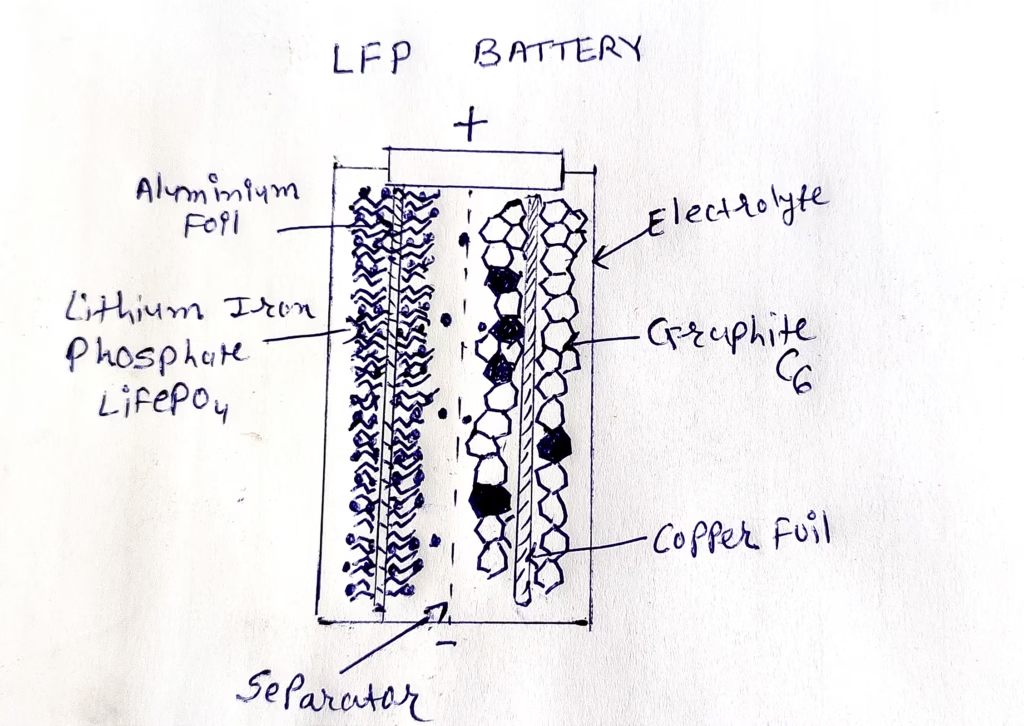
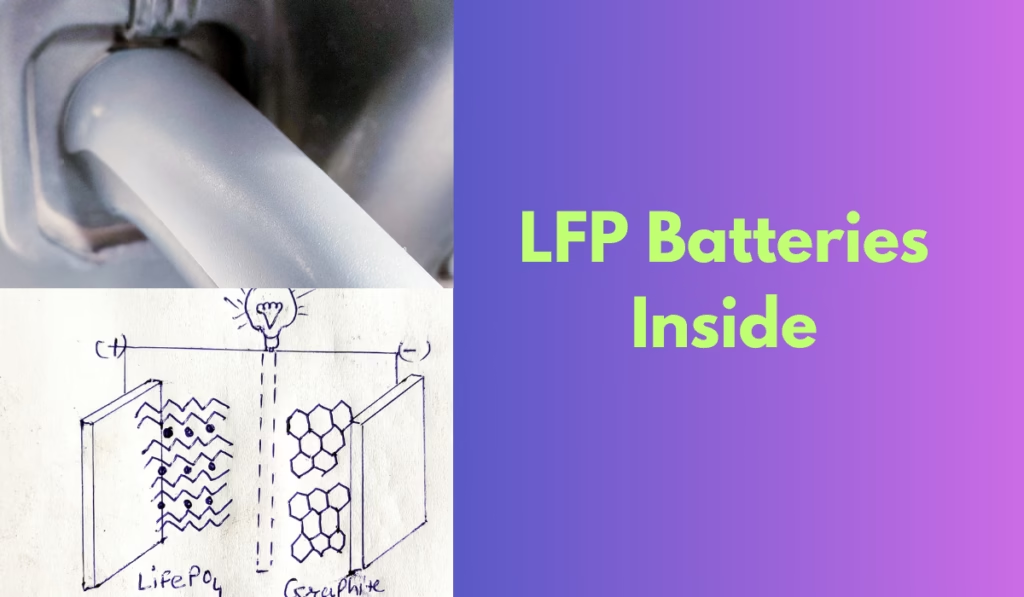
First of above LFP battery cut section, you can see on cathode LiFePo4 and Anode Graphite C.

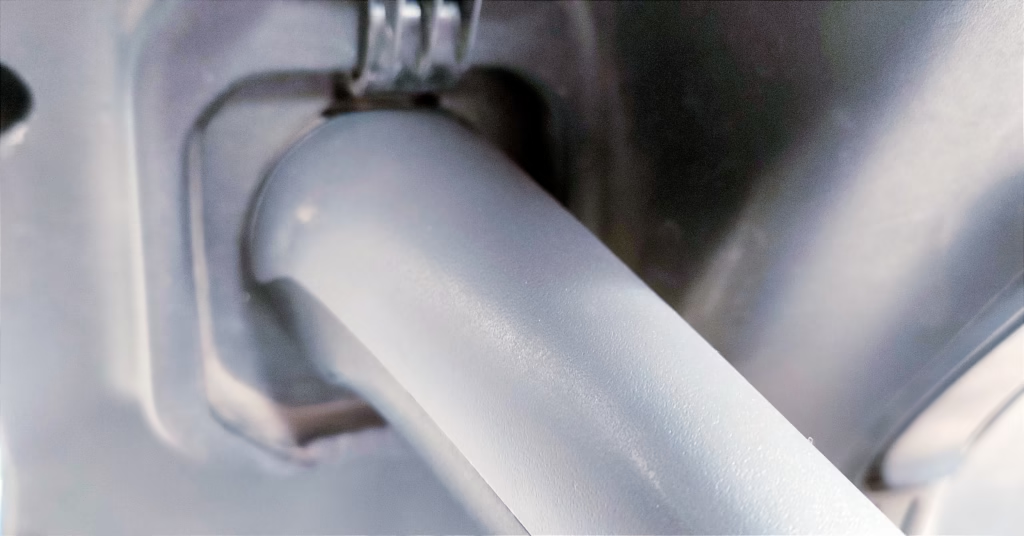
When you charge your scooter then below process start.

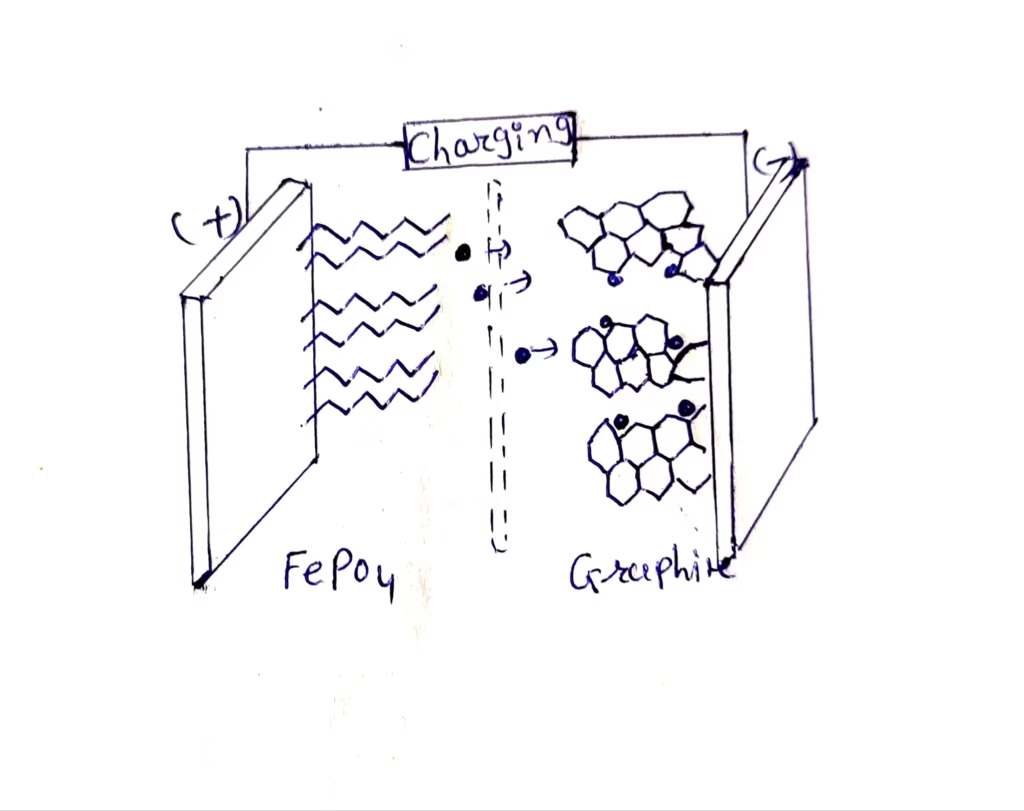
The Formula Of Charging Or Charge Scooter
Cathode(+)
LiFePO₄ → FePO₄ + Li⁺ + e⁻
Anode(-)
C₆ + Li⁺ + e⁻ → LiC₆
Overall Reaction
LiFePO₄ + C₆ → FePO₄ + LiC₆
The Formula Of Discharge Or Start Scooter

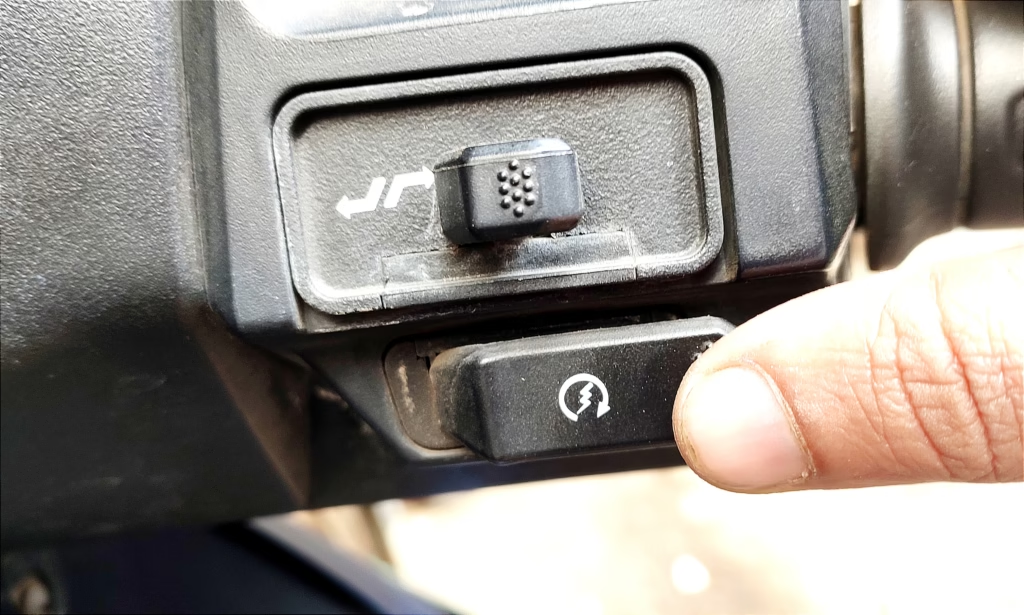
when you start your electric scooter battery discharge start see in the below image

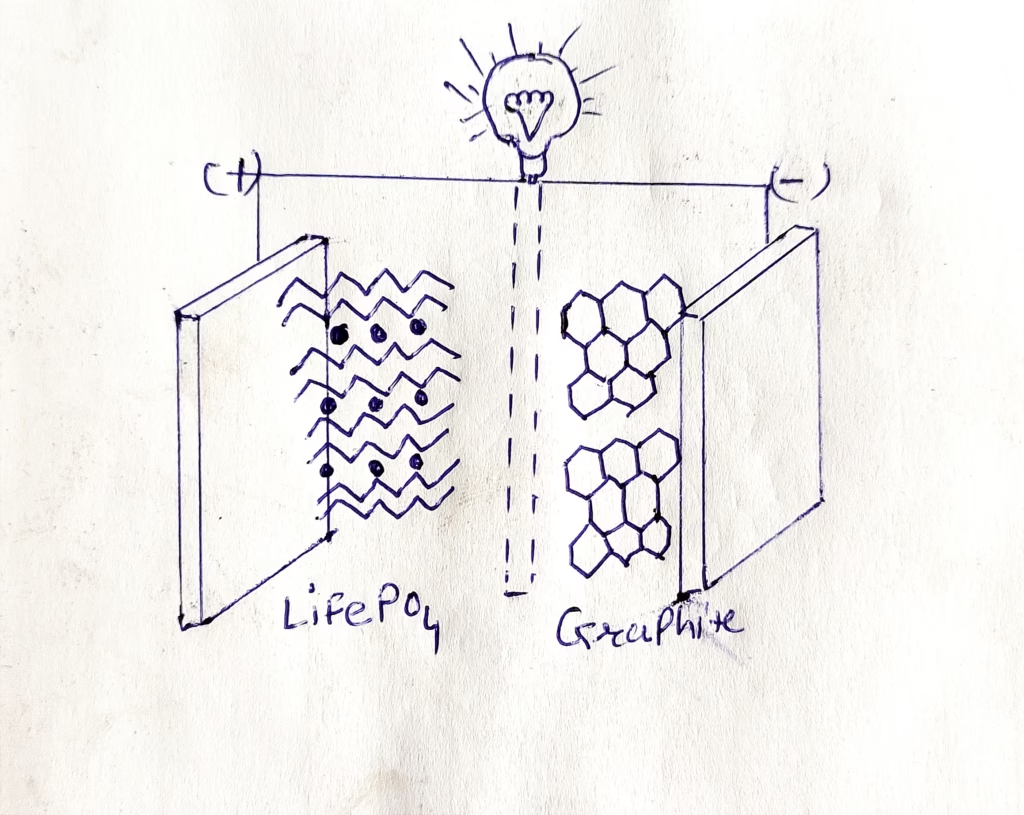
Cathode(+)
FePO₄ + Li⁺ + e⁻ → LiFePO₄
Anode (-)
LiC₆ → C₆ + Li⁺ + e⁻
Overall Reaction
LiC₆ + FePO₄ → C₆ + LiFePO₄
LFP Chemistry Is Best for EV Scooters
High thermal stability – The strong phosphate bond in LiFePO₄ makes this battery chemistry highly stable, safe, and suitable for Indian weather conditions.
No oxygen release – LFP batteries do not release oxygen because the phosphate (PO₄³⁻) structure holds oxygen very tightly.
Longer life cycle – These batteries last longer because their crystal structure remains stable during repeated charging and discharging.
Safe for daily charging – LFP batteries are safe for daily charging because their chemical structure is highly stable and resists heat, overcharge, and degradation.