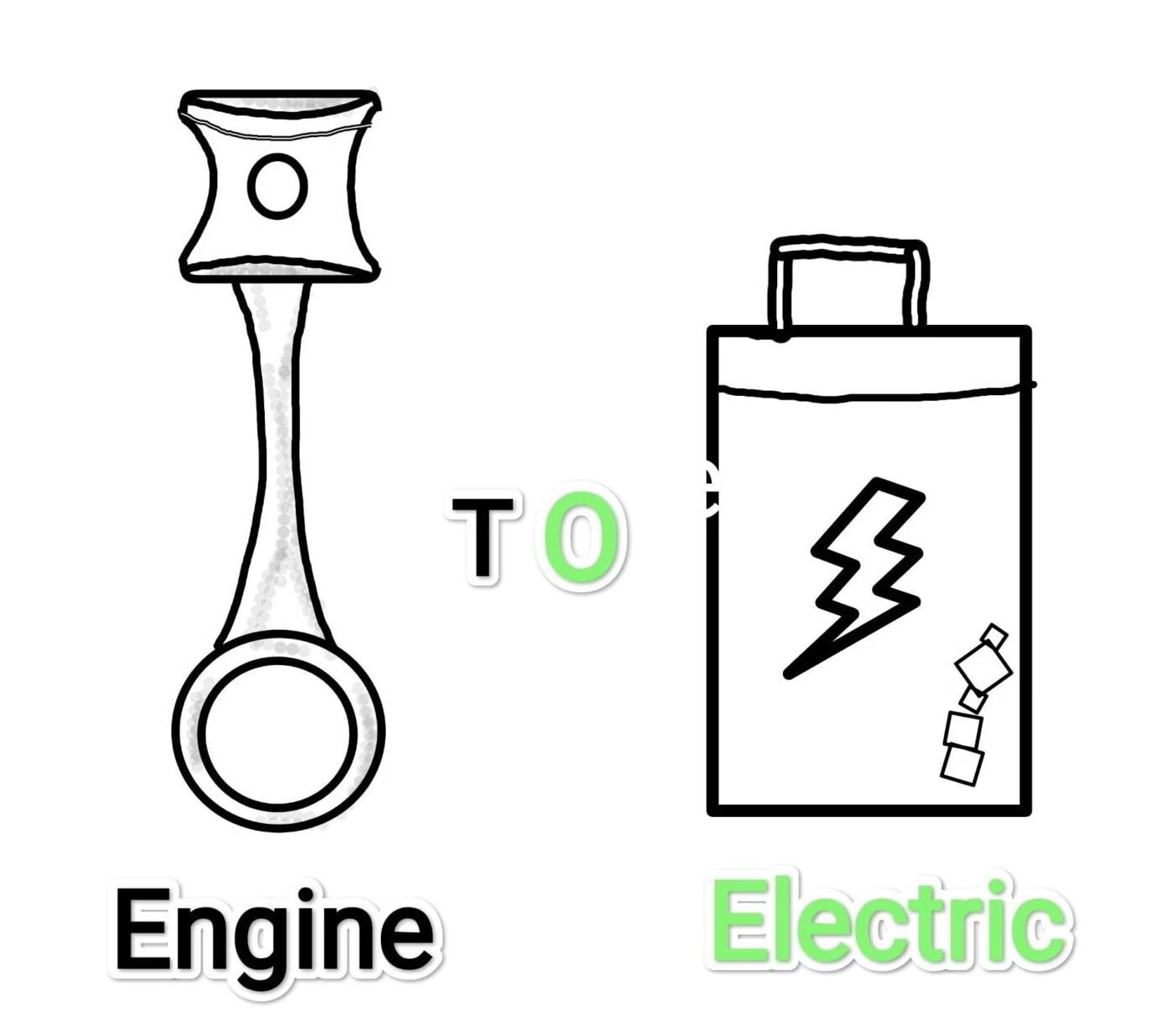
If you live in Shimla, Darjeeling, Coorg, Ooty, or any town with steep climbs, buying an electric scooter is not the same decision as buying one for flat city roads. Two scooters with the same “top speed” on a spec sheet can behave completely differently on a 15-degree slope — one climbs it smoothly, the other strains, overheats, or loses range fast. Here find out 12 Best Electric Scooters For Hilly Areas In India.


This guide explains exactly what to check before you buy, then ranks the electric scooters that actually perform well on gradients — based on torque figures and motor type
On hilly area torque and battery efficiency is more important, also Carrying power equipment, we Discuss for that.
What Actually Matters For Hill Riding
Most buying guides just list “top speed” and “range.” On hills, three other numbers matter more:
Torque (Nm), Not Just Motor Power (kW/HP)
Torque is the twisting force that gets a heavy scooter (plus rider, plus luggage) moving uphill from a standstill. A scooter with lower peak power but higher torque will often out-climb a “more powerful” scooter with weak torque. Look for 25 Nm or higher for regular hill use; 100+ Nm hub motors (like TVS iQube’s) are built for stronger low-end pull.
Gradeability (degrees)
This is the maximum slope angle a scooter can climb, and very few brands publish it — which is itself a useful filter. If a manufacturer states a gradeability figure, it usually means the scooter has actually been tested on real inclines, not just simulated.
Motor placement: hub motor vs. mid-drive vs. direct drive
- Hub motor (in the rear wheel): simple, low maintenance, generally strong low-end torque — good for hills.
- Mid-drive with belt (like Ather): efficient and light, but belts can feel laggy from a dead stop on a slope, and belts need earlier servicing in hilly/dusty regions.
- Direct drive (like Bajaj Chetak): fewer moving parts than a belt system, smoother low-speed power delivery, which owners in hill regions have specifically noted as an advantage over belt-driven rivals.
Regenerative braking
On descents, regen braking recovers energy while reducing strain on your mechanical brakes — genuinely useful on long downhill stretches, not just a marketing checkbox.
Best Electric Scooters For Hilly Areas In India
- Ather 450X
- Ola S1 Pro+ 5.3 kWh (Gen 3)
- Bajaj Chetak
- TVS iQube ST
- Hero Vida V1 Pro
- Simple One
- Ampere Primus
- Revolt RV400
- Ather Rizta
- Beam Furious
- Tvs X
- River Indie
1) Ather 450X


Ather 450X has 3.7 kWh Li – iron battery that deliver 150 km/charge certified range, top-speed 90 km/hr, It can accelerate from 0-40 km/h in just 3.3 seconds
The Ather 450x have 26 Newton meters (Nm) peak torque and 4.4 BHP power that is great is hilly area and easy to ride, great hill – climbing performance.
- Motor: 6.4 kW mid-mounted PMSM motor, 26 Nm torque
- Battery / Range: 2.9–3.7 kWh, 126–161 km claimed
- Price: ₹1.47 lakh – ₹1.76 lakh (ex-showroom)
- Standout for hills: Strong, quick acceleration (0-40 km/h in 3.3 seconds) and traction control on the 2025 update, useful on wet hill roads.
- Watch out for: Belt-drive systems need more frequent inspection in hilly/dusty terrain than direct-drive or hub-motor scooters, and belts can feel less immediate on a from-a-stop hill start.
2) Ola S1 Pro+ 5.3 kWh (Gen 3)


ola introduced new gen 3 ola S1 pro+ which is more powerful comes with 5.3 kwh battery capacity that gives 320 km range on single charge.
The Ola S1 Pro+ 5.3 kWh (Gen 3) has 5.5 kW motor power, max.torque 58 nm, 6hr charging time and get 320 km ideal range that is the best ev for mountain riding road.
- Motor: 13 kW peak mid-drive motor, 58 Nm torque
- Gradeability: 22.6 degrees (vs. 17 degrees on the standard S1 Pro) — the highest published figure in this list
- Battery / Range: 4 kWh, up to 320 km claimed (real-world closer to 170-200 km)
- Price: From ~₹1.60 lakh (ex-showroom)
- Standout for hills: It’s rare for a brand to publish gradeability at all, and 22.6° is a genuinely strong number for climbing steep ghat roads.
- Watch out for: Service network is thinner in smaller hill towns compared to Bajaj/TVS/Hero; some owners report battery degradation and support delays — worth checking service centre availability in your specific town before buying.
3) Bajaj Chetak

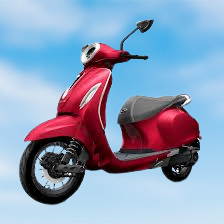
New Bajaj Chetak 3501 and 3502. 3501 has 3.5 kWh battery capacity that generate 4 W power and delivered 153 km range with 73 kmph top -speed.
The new bajaj chetak has 4 kW motor power with 20 nm peak torque that also good to riding on hilly area may battery backup intrument have to take along.
- Motor: 4.2 kW direct-drive motor, ~20 Nm torque
- Battery / Range: 3.2 kWh, ~126 km claimed
- Price: ₹91,399 – ₹1,56,243 (ex-showroom, varies by variant)
- Standout for hills: Hill Start Assist as standard, plus a direct-drive motor that avoids belt lag — owner feedback specifically calls out the Chetak’s smoother power delivery on hill starts compared to belt-driven rivals like the iQube and Ather.
- Watch out for: Suspension is basic (single-sided front, mono-shock rear) and can feel harsh on rough hill roads with potholes.
4) TVS iQube ST

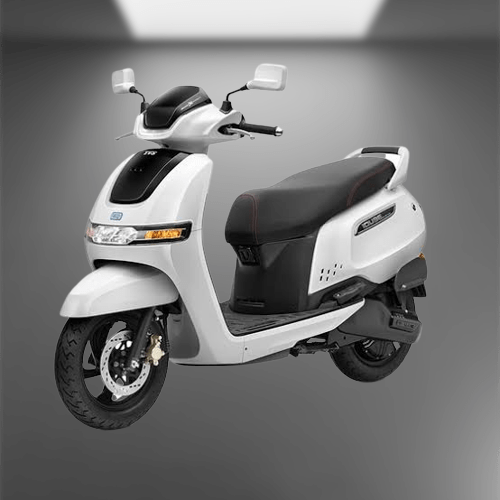
Tvs iQube has two models available S and ST, model S has 3.04 kWh battery capacity, using BLDC motor scooter achieve 100 km range on single charge and 78 km/h top speed, this scooter riding very smoothly.
The Tvs iqube has 4.4 kW motor power with highest peak torque 140 nm, rated torque 33 nm batter then bajaj chetak. torque and motor power is batter then other ev but still may carry charging equipment for riding on hilly area.
- Motor: 4.4 kW hub motor, up to 140 Nm peak torque (33 Nm rated)
- Battery / Range: 5.1–5.3 kWh, up to 145–212 km claimed depending on variant
- Price: ₹1.02 lakh – ₹1.60 lakh (ex-showroom)
- Standout for hills: The highest peak torque figure on this list on the ST variant — hub motors like this tend to pull strongly from a standstill on inclines.
- Watch out for: The Bosch rear-hub motor location makes rear-wheel/tyre servicing slightly more involved, and TVS’s own advisory notes it’s more exposed to damage on rough roads — a real consideration on unpaved hill stretches.
5) Hero Vida V1 Pro


The Vida V1 has a maximum speed of 80 km/h and can travel up to 165 km on a single charge, The scooter has a 3.94 kWh lithium – ion battery that can be fully charged in 4-5 hours.
The Hero Vida V1 Pro has 6 kW motor power with 25 Nm torque, vida v1 is removable battery so that’s good for hill riding.
6) Simple One


The simple one have two battery back up one is 1.6 kWh removable battery and 3.4 kWh fix battery total 5 kWh battery capacity, Simple one have 212 km Real Range on single charge.
Simple one peak power output 8.5 kW and The motor produces a peak torque of 72 Nm, This scooter is the Best Electric Scooters For Hilly Areas In India.
7) Ampere Primus


Ampere Primus have top speed 77km/hr, range up to 107 km/charge with the help of 3 KWh battery capacity.
The Primus have 3.4 kW motor power and a peak torque of 140 Nm, but still range is low may battery backup intrument have to take along.
8) Revolt RV400
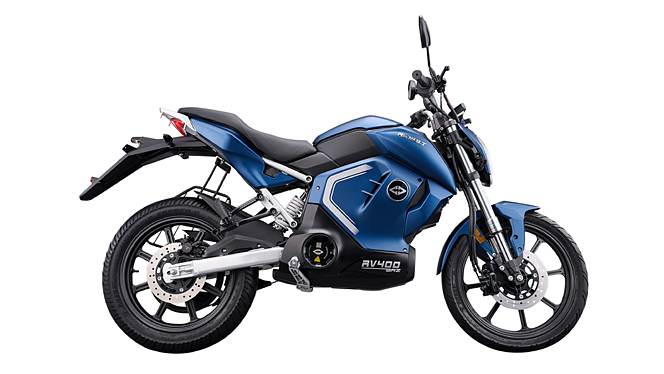
Revolt RV400 offers a range of 150 km on a single charge with a 3.24 kWh lithium-ion battery pack, which can be replaced at designated stations.
The Revolt RV400 bike have 4.1 kW motor power and 170 Nm motor torque, that’s much batter for hilly area.
9) Ather Rizta

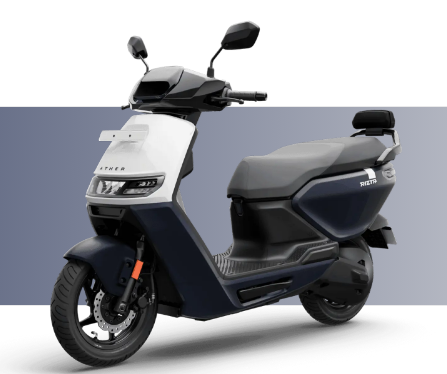
Ather Rizta comes with two models Rizta S and Z. first S has been given a 2.9 Kwh battery which gives a range of 105 Km, and Z variant has a 3.7 Kwh battery which gives a range of 159 km/hr.
The Ather Rizta have 4.3 kW motor power that delivering 22 Nm of torque, rizta is best performing and best selling Ev in india 2025, powerfull performance and great riding range with large 56 L boot space my first choice for hilly riding area.
- Motor: ~4.3 kW motor, ~22 Nm Torque
- Battery / Range: Multiple variants; real-world range typically 90-100+ km
- Price: Competitive mid-segment pricing
- Standout for hills: 34-litre boot and family-friendly ergonomics make it a practical daily-use scooter in hill towns for school runs and errands.
- Watch out for: Torque is on the lower side of this list — comfortable for gentle-to-moderate gradients, but not the first choice if you’re regularly climbing steep ghat sections with a pillion and luggage.
10) Beam Furious

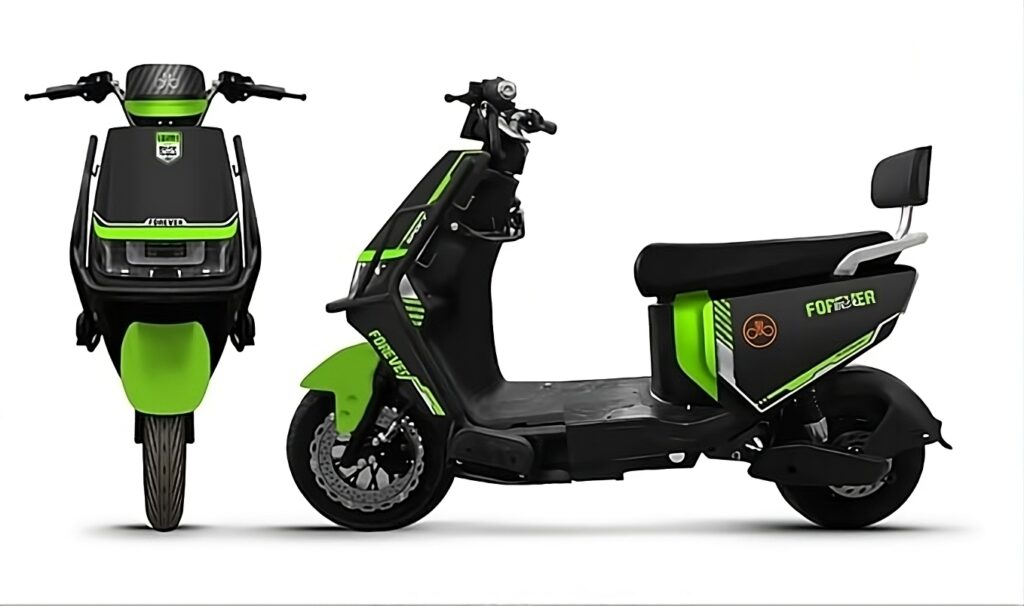
The scooter shows a clear battery charging indicator. It uses a powerful 72 V, 35 Ah lead – acid battery for longer trips, It uses a 250-watt brush – less DC rear hub motor (48 V), It’s range up to 120 Km on single charge.
11) Tvs X


TVS X is a premium upcoming electric scooter, It is powered by a 4.44kWh Li -ion battery, delivering a top speed of 105 km/h, The scooter offers a claimed range of 140 km on a single charge
The Tvs X have peak power of 11 kW and torque is of 40 Nm. motor power is very high that’s enough to riding ev on hilly area.
12) River Indie

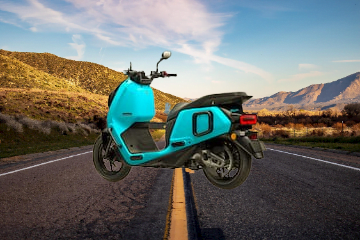
The River Indie has 4 kWh battery capacity that deliver 161 km max range with the help of 90 km/h top speed, company provide front and rear both side disc brakes. Total 43 L space.
River Indie have motor power of 6.7 kW and torque is 26 Nm. River Indie is competitor with ola s1 pro and ather rizta.
Comparison Table
Below table of Best Electric Scooter For Hilly Areas In India.
| Electric Scooter | Motor Power (kW) | Torque (Nm) | Battery Capacity (kWh) | Range (km) | Price (₹) |
|---|---|---|---|---|---|
| Ather 450X | 6.2 | 26 | 3.7 | 150 | ₹1.40L |
| Ola S1 Pro+ (Gen 3) | 11 | 58 | 5.3 | 195 | ₹1.48L |
| Bajaj Chetak | 4.2 | 20 | 3.2 | 108 | ₹1.35L |
| TVS iQube ST | 4.4 | 33 | 5.1 | 145 | ₹1.56L |
| Hero Vida V1 Pro | 6.0 | 25 | 3.94 | 165 | ₹1.45L |
| Simple One | 8.5 | 72 | 5 | 212 | ₹1.45L |
| Ampere Primus | 3.4 | 38 | 3 | 107 | ₹1.10L |
| Revolt RV400 | 3.0 | 50 | 3.24 | 150 | ₹1.34L |
| Ather Rizta | 4.3 | 22 | 3.7 | 159 | ₹1.1L |
| TVS X | 11 | 40 | 4 | 140 | ₹2.50L |
| River Indie | 6.7 | 26 | 4 | 120 | ₹1.25L |
5. Riding Tips for Hilly Areas
- Maintain steady throttle control.
- Use regenerative braking efficiently.
- Avoid overloading the scooter.
- Plan routes considering charging stations.
6. Conclusion
Riding with Ev on hills station or mountain hilly area is very difficult, but today’s new generation electric scooter do as very easy, if you are living on hilly area then you must know of electric scooter motor power, load capacity and torque on affordable price.
FAQs.
Not necessarily. Torque (Nm) — the twisting force at the wheel — matters more for climbing from a standstill than peak power, which mainly affects top speed. A scooter with strong low-end torque, like a hub or direct-drive motor, often climbs better than a higher-kW belt-driven scooter.
Hub motors and direct-drive systems generally deliver smoother, more immediate power at low speeds, which helps on hill starts. Mid-drive belt systems (like Ather’s) are efficient and light but can feel slightly delayed from a dead stop on an incline, and belts need more frequent inspection in hilly, dusty conditions.
Expect 20-35% less range than the claimed figure on hilly routes, compared to roughly 15-25% less on flat city riding — climbing consumes significantly more energy than cruising, even though regenerative braking recovers some of it on descents.
Yes — check brake pads and suspension more frequently (hill braking wears pads faster), inspect belt-drive systems for wear if applicable, and avoid deep water crossings during monsoon since hill terrain often has unpaved or waterlogged stretches.
If the manufacturer publishes a gradeability figure (in degrees), start there — it’s the only number tested specifically for slope-climbing. Where it isn’t published, torque (Nm) is the next best proxy.